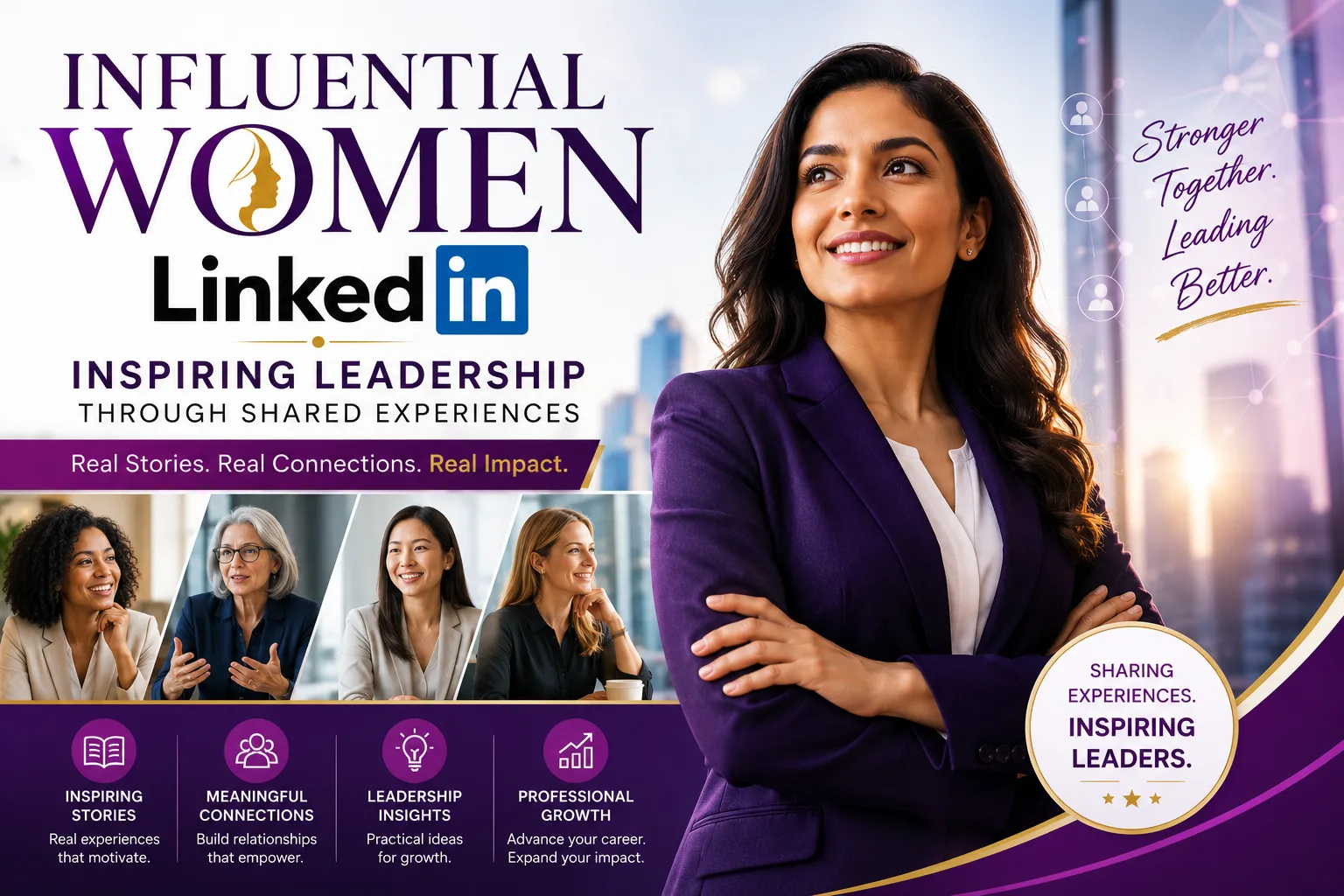
The face of leadership continues to undergo a dramatic shift at an unprecedented speed. As we move towards 2026 and into the next decade, women have an empowering role in redefining what good leadership will look like in this fast-changing world. However, to succeed in this new world, it will not be sufficient to possess good management qualities but a whole skill set embracing technology, IQ, and EQ.
Whether you have ambitions of being a future leader or you’re already an established one, this knowledge and skillset will make all the difference in helping you succeed in the future work environment.
The Foundation: Strategic Thinking Meets Agility
Those people who will lead in the years to come will not be the ones who can forecast the future but will be the ones ready to adjust to it. Agility in strategy is thus becoming an important part of leading in today’s fast-changing world. Techniques need to be developed in order to switch strategies with a focus on a vision.
Women leaders need to have a mindset that views uncertainty not just as a threat but an opportunity. They need to keep their fingers on the pulse of all industry trends, all technological developments, and all developments in global economies, but they need to be nimble enough to simply change course if need be. The leaders with the most prospects are those with eyes in the back of their head!
Applying Time Mastery Techniques
“In a world where staying connected and being busy all the time is a reality, Time Mastery has become an essential skill for a leader. Time Mastery is far more important than time management; it is identifying your most productive hours and prioritizing your strategic thinking time,”
Successful time management means learning to say no with confidence, understanding that saying no to good things means saying yes to better things. Successful women leaders have a good grasp of this and realize that being productive does not mean working more but working on important things. They have an effective system in place that reduces decision fatigue and optimizes time for deep work.
The trick is to simply assess your time usage and figure out where your time can be optimized in support of your high-value activities. Successful leaders are adept at time management so they can focus on strategic activities, personally develop their team members, and keep their work and personal life balanced.
Developing Financial Confidence
Many people lack financial confidence. Financial savvy is perhaps one of the most empowering skills a woman can acquire for a leadership role. Analyzing financial statements, budgeting, and economic parameters is not an activity reserved solely for a CFO but is a skill every individual aspiring to become a leader must possess in order to make meaningful decisions for organizational expansion.
“Financial confidence gives women the power to negotiate better, be it for herself or for her team and her budget. Financial confidence gives leaders insight into where innovation and investment can happen. They can better assess the cost of a business decision,” says Reid. “Financial confidence gives leaders a voice in the language of the boardroom,” adds McKinlay.
Application of this skill begins with enrolling in financial literacy courses, learning from financially literate people in your organization, and engaging in budget conversations in your organization. Financial confidence gives women a strategic role in their organization rather than a function role. Such knowledge can unlock doors to entering the C-suite and being part of boards when other doors are shut.
Networking Formula: Connecting with Influence
Leadership success is rarely achieved in a vacuum. Being able to understand and apply a good Networking Formula is absolutely vital to all women who have expansion in mind. However, a good Networking Formula for the next generation will not include conferences and exchanging business cards.
Networking in today’s world is all about developing authentic relationships, creating value for other people, and positioning yourself in your chosen industry. Creating your personal brand, making relevant thought statements to show your expertise in your chosen area, and engaging with platforms where conversations with influencers take place are all part of this.
Such social media sites including influential women magazine linkedin have proven to become vital networking forums where professional women make it a point to establish their credibility by sharing their knowledge, reach out to leaders within their specific industries, and find opportunities.
The Networking Formula with the most impact is when you do both online connections and offline building of relationships. Networking Formula basically entails follow-ups, providing support before requiring it, and staying in touch rather than contacting people when you need a favor.
Turn-Carving in Career Transitions
The linear career path is becoming outdated. Today’s leaders need to be comfortable with embracing ‘Changing Careers,’ which can mean moving industries, moving from a specialist role into a generalist role, or moving from a corporate leadership role to an entrepreneurial role.
Successful career transitioning in a profession is a skill that calls for self-understanding, risk-taking, and skillful planning. In order to thrive in this manner, female leaders have to learn how to leverage strengths, connect different skill sets, and present a compelling personal brand in each setting. Such a skill is especially important in light of the way in which automation and AI technology are transforming work environments.
Successful career transitions can include investments in new skill sets while playing off existing strengths, creating a network in your desired field before making a switch, or telling your story in a way that demonstrates a path of progression over time rather than a career change. Women who have learned the skill of Changing Careers put them in a position to take opportunities that other people may not see and have an element of flexibility in them that is desperately needed in an organization.
Digital Fluency & Tech Leaders
With technology disrupting all sectors, it is important for women leaders to have digital acumen not necessarily coding skills but an awareness of how technology can be leveraged for achieving business outcomes. Staying up to date with artificial intelligence, data analytics, cyber safety, and other evolving tech can work in your favor.
A skillset which can fill this gap can make such leaders invaluable to their companies. This involves making informed queries, being able to interpret technology decisions in a broader sense, and taking up the cause of digital transformation. Such qualities will allow women leaders to take charge in a growing tech-enabled setup.
Emotional Intelligence: The Timeless Leadership Edge
Although your technical abilities will change with time, emotional intelligence will always remain a consistent predictor of your success in leadership. One of the most human qualities leaders possess in order to become truly outstanding is your ability to manage your emotions and influence the emotions of others.
High emotional intelligence makes it possible for women leaders to create a cohesive team, constructively address conflict, deliver inspiring feedback, and foster a sense of psychological safety where innovation can bloom. Amid a more diverse and geographically dispersed workplace, this skill is increasingly important.
The building of emotional intelligence requires getting feedback, listening actively, reflecting your reactions and personal triggers, and continually developing self-awareness. This is the key underneath which all other leadership skill-building will become more efficient.
Influence Without Authority: A Leadership Through Inspiration
The coming years will require leaders with influence across organizational charts, in situations where they do not have direct authority. Such a skill will need expertise in persuasion, developing credibility through expertise, and getting alignment through a common vision.
Those women leaders who master this skill can bring about change in a team or organization, work towards collaborating with other functions in an organization, and can head a team in a matrix structure.
Continuous Learning: The Meta-Skill
Perhaps one of most critical competencies in the coming years is simply embracing a commitment to learning. The shelf life of skills is continually shortening, and leaders need to become curious learners, embracing a lifetime education approach which entails being a voracious reader, an eager participant in conferences, a curious seeker of other viewpoints, and a beginner all over again.
Examples of such resources include an important magazine such as “influential women magazine,” which gives you insight into current trends, leadership secrets, and stories of achievement. Being in touch with all manner of thought leaders in your area of operation will keep you updated on upcoming changes before they affect your industry.
Taking Action: Your Leadership Development Plan
Working on such skills takes time and a planned approach. First, you need to make an honest assessment of your present skill sets and work on the deficiencies which may otherwise hold you back in your future leadership roles. Select two or three skill sets you want to work on intensively in the next six months.
Perhaps you can find a mentor or a coach with strengths in those areas where you want to improve. Look for opportunities to connect with professional circles and learning groups where you can hone these new skills in a supportive setting. Of course, developing leadership qualities is a marathon and not a sprint – the small step each time adds up to massive change.
The leaders of tomorrow will be those women who begin working towards developing such qualities in the current decade. The future of leadership is being formed in this very moment, and women leaders who work towards acquiring such a skill set will not only be a part of this future but will go on to shape it. Your leadership path will be distinct in many ways, but your toolkit will not. The answer is not if you can build these qualities but if you’re ready to begin working on them today.